Tuesday, August 10, 2010

Pendeta, pekerjaan yang tidak sehat

[Membaca laporan Paul Vitello untuk NYT ini sebenarnya tak membuat saya heran. Sudah banyak saya membaca tulisan-tulisan yang mengatakan bahwa pekerjaan pendeta itu berat dan karenanya break sangat diperlukan. Yang membuat artikel ini berbeda daripada yang lain sehingga saya merasa perlu menindaklanjutinya adalah saya. Sekarang saya mulai mengalami kebenarannya. Berat badan saya bertambah sekitar 20-25%, beberapa kali mengalami gangguan tidur dan mild depression. Syukur-syukur, Oh, Tuhan sungguh baik, belum sampai saya makan antidepressant.

Pertanyaan buat anda, para pendeta: dari pengalaman anda melayani, apa sih yang membuat pastor’s job itu berat, lebih berat daripada job-job lain? Atau, sebenarnya ngga berat-berat amat. Tapi kalau ngga, kenapa trend burnout pada pendeta meningkat ya? Kalau sempat, baca juga Body and soul dan Clergy health initiative ya...]

THE NEW YORK TIMES
August 1, 2010
Taking a Break From the Lord’s Work
By PAUL VITELLO

The findings have surfaced with ominous regularity over the last few years, and with little notice: Members of the clergy now suffer from obesity, hypertension and depression at rates higher than most Americans. In the last decade, their use of antidepressants has risen, while their life expectancy has fallen. Many would change jobs if they could.

Public health experts who have led the studies caution that there is no simple explanation of why so many members of a profession once associated with rosy-cheeked longevity have become so unhealthy and unhappy.
But while research continues, a growing number of health care experts and religious leaders have settled on one simple remedy that has long been a touchy subject with many clerics: taking more time off.

“We had a pastor in our study group who hadn’t taken a vacation in 18 years,” said Rae Jean Proeschold-Bell, an assistant professor of health research at Duke University who directs one of the studies. “These people tend to be driven by a sense of a duty to God to answer every call for help from anybody, and they are virtually called upon all the time, 24/7.”

As cellphones and social media expose the clergy to new dimensions of stress, and as health care costs soar, some of the country’s largest religious denominations have begun wellness campaigns that preach the virtues of getting away. It has been described by some health experts as a sort of slow-food movement for the clerical soul.

In the United Methodist Church in recent months, some church administrators have been contacting ministers known to skip vacation to make sure they have scheduled their time, Ms. Proeschold-Bell said.

The church, the nation’s largest mainline Protestant denomination, led the way with a 2006 directive that strongly urged ministers to take all the vacation they were entitled to — a practice then almost unheard of in some busy congregations.

“Time away can bring renewal,” the directive said, “and help prevent burnout.”

The Episcopal, Baptist and Lutheran churches have all undertaken health initiatives that place special emphasis on the need for pastors to take vacations and observe “Sabbath days,” their weekday time off in place of Sundays.

The Lilly Endowment, a philanthropic foundation based in Indiana, has awarded grants of up to $45,000 each to hundreds of Christian congregations in the past few years, under a project called the National Clergy Renewal Program, for the purpose of giving pastors extended sabbaticals.

And while recent research has focused largely on mainline Protestant churches, some Jewish leaders have begun to encourage rabbis to take sabbaticals.

“We now recommend three or four months every three or four years,” said Rabbi Joel Meyers, a past executive vice president of the Rabbinical Assembly, the international association of Conservative rabbis. “There is a deep concern about stress. Rabbis today are expected to be the C.E.O. of the congregation and the spiritual guide, and never be out of town if somebody dies. And reply instantly to every e-mail.”

Some nondenominational evangelical Christian ministers have embraced a similar approach, outlined in two best-selling books by the Rev. Peter Scazzero, pastor of the New Life Fellowship Church in Elmhurst, Queens.

Mr. Scazzero, 54, is the unofficial leader of a growing counterculture among independent pastors who reject the constant-growth ethic that has contributed to the explosion of so-called mega-churches.

In the books, “Emotionally Healthy Spirituality” and “The Emotionally Healthy Church,” he advocates more vacation time for members of the clergy, Sabbath-keeping, and a “rhythm of stopping,” or daily praying, that he learned from the silent order of Trappist monks.

Mr. Scazzero said that depression and alienation from his wife and four children prompted him a half-dozen years ago to try living more consciously and less compulsively.

“It’s hard to lead a contemplative life on Queens Boulevard,” Mr. Scazzero said. “But the insight I gained from the Trappists is that being too ‘busy’ is an impediment to one’s relationship with God.”

Clergy health studies say that many clerics have “boundary issues” — defined as being too easily overtaken by the urgency of other people’s needs.

Dr. Gwen Wagstrom Halaas, a family physician who is married to a Lutheran minister and who wrote a 2004 book raising the alarm about clergy health (“The Right Road: Life Choices for Clergy”), described the problem as a misperception about serving God.

“They think that taking care of themselves is selfish, and that serving God means never saying no,” she said.

Larger social trends, like the aging and shrinking of congregations, the dwindling availability of volunteers in the era of two-income households, and the likelihood that a male pastor’s wife has a career of her own, also spur some ministers to push themselves past their limits, she said.

The High Mountain Church of the Nazarene in North Haledon, N.J., started with 25 members 10 years ago and grew to 115 before its pastor, the Rev. Steven Creange, noticed strains in his marriage and decided to slow down.

Mr. Creange said he and his wife feel lavishly rested — and much happier — since they began observing Sabbath days on Fridays and making occasional weekend getaways.

“I just don’t go to every graduation and every communion anymore,” he said. “And people accept it.”

In May, the Clergy Health Initiative, a seven-year study that Duke University began in 2007, published the first results of a continuing survey of 1,726 Methodist ministers in North Carolina. Compared with neighbors in their census tracts, the ministers reported significantly higher rates of arthritis, diabetes, high blood pressure and asthma. Obesity was 10 percent more prevalent in the clergy group.

The results echoed recent internal surveys by the Evangelical Lutheran Church in America, which found that 69 percent of its ministers reported being overweight, 64 percent having high blood pressure and 13 percent taking antidepressants.

A 2005 survey of clergy by the Board of Pensions of the Presbyterian Church also took special note of a quadrupling in the number of people leaving the profession during the first five years of ministry, compared with the 1970s.

Roman Catholic and Muslim clerics said the symptoms sounded familiar.

“We have all of these problems, but imams are reluctant to express it because it will seem like a sign of weakness,” said Imam Shamsi Ali, director of the Jamaica Muslim Center in Queens. “Also, mosques do not pay much and many of them work two jobs.”

Catholic canon law requires priests — “unless there is a grave reason to the contrary” — to take a spiritual retreat each year, and four weeks of vacation.
That vacation regulation has led Msgr. Gus Bennett of Brooklyn to take a camping trip on horseback in the Wyoming wilderness with friends every year for 30 years.
Monsignor Bennett, 87, a canon lawyer, now semi-retired, who spent most of his working years setting up and managing the pension plan for priests and lay employees of the Diocese of Brooklyn, says he has always felt his religious side to be most alive during those nights in Wyoming, “sleeping on the ground, under the whole of creation.”

He does not know how it affected his health. “I just know it made it easier to come back and jump into the books,” he said.

Monday, August 9, 2010

From chancel to narthex

In the chancel the pastor works in an atmosphere of acknowledged faith – every detail is clear, symmetrical, and purposed under the sign of redemption; in the narthex things are very different. The people, having received the benediction, now make a disorderly re-entry into a world of muddled marriages and chaotic cities, midlife boredom and adolescent confusion, ethical ambiguity and emotional distress. The pastor who has just lifted the cup of blessing before the people now shakes hands with the man whose wife has left him for another; the pastor who has just poured the waters of baptism on the head of an infant now sees pain in the eyes of the mother whose teenager is full of angry rebellion. The pastor who has just addressed a merciful Father in prayer now arranges to visit a bitter and cynical executive who has been unexpectedly discharged from his job; the pastor who has just been confidently handling the scriptures now touches hands that are tense with anxiety and calloused in a harsh servitude. (p. 74-75)

[Kalau ada yang kurang paham, chancel mungkin boleh disebut saja ruang ibadah, sedangkan narthex ruang lobby. Demikian simpelnya. Yang perlu ditekankan di sini, perbedaan suasana di dua ruang tersebut tak berarti bahwa kita hidup di dua dunia terpisah: di ruang ibadah, surgawi; di luar, duniawi atau bahkan satanik. Tidak begitu. Saya justru melihat bahwa tugas seorang pendeta tak berhenti pada memimpin ibadah di chancel, namun berlanjut hingga ke narthex, ke kehidupan sehari-hari setiap anggota jemaat dengan tantangan dan kesulitannya masing-masing. Seorang pendeta yang habis khotbah terus pulang sebenarnya bukan gembala; ia mungkin aktor/aktris atawa selebritis.]

Sumber:
Eugene H. Peterson, Five smooth stones for pastoral work (Grand Rapids, MI: Eerdmans, 1992).

Saturday, August 7, 2010

One day's wages

sebuah gerakan kreatif-shalomik diprakarsai oleh seorang pastor korean, eugene cho. i'm so impressed by this movement and think it's good to share the clip with you. memang benar, seringkali upaya sederhana, jika dikerjakan dengan setia, dan diatur dengan bijaksana, bisa membawa dampak yang positif. bonhoeffer pernah berkata, saya kutip dari blog eugene juga, "one act of obedience is better than one hundred sermons." may god bless our works!


Monday, August 2, 2010

Teks tentang cinta

Another poem by Silado. Taken from the same book, p. 65.

Teks tentang cinta

Jika aku hilang mata
a. Buta
Jika aku hilang kuping
b. Tuli
Jika aku hilang kaki
c. Lumpuh
Jika aku hilang tangan
d. Buntung
Jika aku hilang rambut
e. Botak
Jika aku hilang harta
f. Miskin
Jika aku hilang semuanya
g. Pasrah
Asal jangan hilang hati untuk mencintai

Ekawicara

A mailing list friend posted it, and I think I want to share it with you here. It is taken from Silado (761 or 461)'s book of poem, "Puisi-puisi Remy Silado," p. 59-62.

EKAWICARA

kita sama sudah mengusir
tujuh waris dosa adam dosa hawa
yang sombong
yang marah
yang iri
yang makan berlebihan
yang malas
yang tamak
yang menyatu dalam daging
yang menyatu dalam atma
yang menyatu dalam sejarah

kita sama sudah mengusir
tujuh waris dosa adam dosa hawa
sebab kita lagi memuji sang penebus
tapi rudolf bultman
tapi dietrich bonhoeffer
tapi paul tillich
tapi j.h. muhler
tapi j.a.t. robinson
tapi jurgen moltman
tapi wolfhart pannenberg
dilenakan menjadi megah dalam teologi
teologi yang mengajar orang ngotot
teologi yang mengajar orang otonom
teologi yang mengajar orang rasional
teologi yang melupakan penyerahan diri

buang beban teologi
supaya kita terima penebusan dosa adam dosa hawa
dalam rumus penyerahan diri
dalam putih
dalam polos
dalam transparan
dalam tembus ruang
supaya nyata tuhan pada salib

tuhan awal
awal tuhan
tuhan dalam
dalam tuhan
siapa tuhan
tuhan siapa
kalau bukan Tuhan
tuhan jawab
jawab tuhan
bukan dalam akal
kendati akal dalam
dalam hati
hati dalam
dalam iman
iman dalam
dalam kini
tuhan masuk
masuk tuhan
kerna penyerahan diri

kita anak semua zaman
anak menangis
anak derita
anak dosa
dosa adam dosa hawa
berpacu lebih keras dari kebaikan

di gelap kita tersembunyi dalam topeng
bukan kerna kita aktor-aktor kampiun
dalam satu teater
di mana pengarang bercita-cita kalahkan kepalsuan
dengan kebaikan dengan moral
seperti sophokles pernah dipuji
seperti shakespeare pernah dipuji
seperti shaw pernah dipuji
seperti sartre pernah dipuji
tapi topeng sembunyikan kita dari dusta
adakah sutradara yang bisa kendalikan keindahan?
jika keindahan berawal dari golgota
dan bukan dari taman eden

roh kita roh tujuh waris dosa adam dosa hawa
kita mencari ketentraman dalam kesenangan
kita senang kita ketawa
dalam topeng
dalam teater
dalam cita-cita
dalam idealisme
dalam ambisi tepuk tangan
sementara dalam nurani kita diimbau-imbau
ke cermin asali makin tua makin jelek
makin hilang keperkasaan
makin hilang ketegaran
makin hilang keceriaan
makin hilang kegesitan
makin hilang kekuatan
kecuali makin mau hidup lama
dalam kesia-siaan daging
dalam dosa waris adam waris hawa

berbisiklah bukan pada orang terkasih
sebab kekasih dapat berkhianat
berbisiklah bukan kepada harum bunga
sebab setelah berkembang bunga akan layu
berbisiklah bukan kepada langit cerah
sebab setelah cerah akan datang awan memele
berbisiklah bukan kepada angin sepoi
sebab setelah sepoi berlalu datang badai
berbisiklah bukan kepada terang bulan
sebab setelah purnama redup datang gerhana
berbisiklah bukan kepada terik mentari
sebab setelah senja segera gelap mengganti
berbisiklah kepada nurani
sebab nurani wilayah mahkamah ilahi
di situ muncul tuhan dengan kasih abadi
dalam nyatanya kita lebih suka jadi batu
tidak mendengar bisikan ilahi
dalam nyatanya kita memang harus lahir baru
membuka hati akan bisikan ilahi.

Thursday, July 29, 2010

Mengapa para pendeta tidak mencari bantuan

Saya baru membaca catatan singkat Kenneth Maresco, “Accountable Pastors/Accountable Churches,” yang disampaikannya dalam 2005 Sovereign Grace Pastor’s Conference, dari sebuah blog yang mempromosikan church planting. Dalam post itu dikatakan ada 30 alasan mengapa para pendeta tidak mau mencari bantuan bagi masalah-masalah dalam kehidupan mereka. Wah ternyata banyak juga ya. Catatan itu telah saya terjemahkan secara bebas. Selamat merenung!
  1. Saya ngga perlu bantuan untuk yang satu ini; saya tahu kok apa yang harus saya lakukan.
  2. Apakah saya memang perlu bantuan? Saya kan pendeta.
  3. Saya akan mengakuinya kalau saya sudah benar-benar bertobat.
  4. Saya punya Alkitab, saya punya Roh Kudus, saya harus bisa mengatasinya sendiri.
  5. Yang kulakukan bukan dosa “besar,” maka itu juga bukan urusan besar.
  6. Yang kulakukan bukan dosa yang berbahaya, cuma sekali-sekali.
  7. Mereka hanya akan memberitahukan apa yang sebenarnya saya sudah tahu.
  8. Saya bisa berubah sendiri. Saya ngga benar-benar perlu bantuan orang lain.
  9. Ini sesuatu yang saya masih usahakan.
  10. Saya sedang mengalami kemajuan jadi saya ngga perlu menceritakan hal ini.
  11. Saya hanya perlu melaksanakan nasihat yang telah saya terima.
  12. Kalau saya bisa lolos itu bukan kemampuan saya, tapi mungkin juga yang saya lakukan itu bukan suatu dosa.
  13. Saya sudah melihat masalah hati saya secara jelas.
  14. Kan orang lain sudah tahu masalah ini, buat apa saya mengakuinya lagi?
  15. Saya sudah bertobat dan berubah.
  16. Saya sudah mengakui dosa saya pada Allah dan istri saya.
  17. Saya telah mengakui dosa saya pada orang yang mengenal saya dengan baik.
  18. Ada masalah lain dalam kelompok itu yang lebih besar daripada ini.
  19. Mereka ngga benar-benar mengerti pergumulan saya.
  20. Saya punya banyak tanggung jawab. Saya tidak mau buang-buang waktu dan tenaga. Saya harus menjadi penatalayan yang baik atas waktu dan tugas-tugas yang dipercayakan pada saya.
  21. Mereka tidak bisa bantu saya. Ini terlalu berat buat mereka.
  22. Saya tidak yakin apakah saya bisa mempercayakan informasi ini pada mereka.
  23. Mereka ngga akan menghormati saya lagi kalau saya menceritakan hal ini.
  24. Mereka sibuk, terlalu sibuk untuk mendengarkan pengakuan saya sekarang.
  25. Saya tidak tahu apakah saya memang bisa berubah.
  26. Saya tidak percaya teman-teman dalam kelompok saya juga kuat dalam hal ini. Jangan-jangan mereka sama saja dengan saya.
  27. Mereka ngga bakal menanggapi dengan baik kalau saya menyampaikan pengakuan dosa yang sama lagi.
  28. Apa yang akan terjadi kalau mereka sampai tahu hal ini?
  29. Saya ingin punya reputasi hidup baik. Saya ingin orang berpikir bahwa saya bisa mengatasi semua masalah kehidupan dan mengenali dosa-dosa saya sendiri.
  30. Saya tidak mau kelihatan buruk, saya tidak mau kelihatan buruk, saya tidak mau kelihatan buruk.

Wednesday, July 28, 2010

Mengenali penyembahan berhala dalam hasrat

Tulisan berikut ini saya terjemahkan secara bebas dari tulisan John Piper berjudul Discerning idolatry in desire: 12 ways to recognize the rise of covetousness. Link kepada tulisan tersebut bisa anda dapatkan di sumber post ini.

Mengenali penyembahan berhala dalam hasrat
12 jalan mengenali terbitnya dosa mengingini
Oleh John Piper

Kebanyakan kita menyadari bahwa menikmati sesuatu selain Allah, dari hadiah terbaik hingga kesenangan liar, dapat menjadi penyembahan berhala. Paulus berkata dalam Kolose 3:5, "Keinginan kuat untuk memiliki apa yang dimiliki oleh orang lain (covetousness) merupakan penyembahan berhala."

Covetousness berarti menghasratkan sesuatu selain Allah dengan cara yang salah. Tapi apa arti "dengan jalan yang salah"?

Alasan mengapa ini penting mencakup dua: vertikal dan horisontal. Penyembahan berhala akan menghancurkan hubungan kita dengan Allah. Dan ia akan menghancurkan hubungan kita dengan orang lain.

Semua masalah relasional manusia - dari pernikahan dan keluarga hingga pertemanan - berakar dalam aneka ragam bentuk penyembahan berhala, yakni, mengingini hal-hal selain Allah dengan jalan yang salah.

Ini usaha saya untuk berpikir secara alkitabiah menjelaskan apa yang dimaksud dengan jalan-jalan yang salah itu. Apa yang membuat sebuah kenikmatan bersifat pemberhalaan? Apa yang menyebabkan sebuah hasrat menjadi covetousness, yang adalah penyembahan berhala?

1. Kenikmatan menjadi penyembahan berhala ketika ia dilarang oleh Allah. Sebagai misal, perzinahan, percabulan, pencurian, dan kebohongan dilarang oleh Allah. Beberapa orang pada saat-saat tertentu merasa perbuatan-perbuatan ini mendatangkan kesenangan, kalau tidak, tentu kita tak akan melakukannya. Tak seorang pun berdosa karena kewajiban. Namun kesenangan yang demikian merupakan tanda penyembahan berhala.

2. Kenikmatan menjadi penyembahan berhala ketika ia tidak sesuai dengan nilai dari apa yang dihasratkan. Hasrat besar akan hal-hal yang tak bernilai besar merupakan tanda bahwa kita mulai menjadikan hal-hal tersebut berhala.

3. Kenikmatan menjadi penyembahan berhala ketika ia tidak dipenuhi dengan ucapan syukur. Ketika kenikmatan kita akan sesuatu cenderung membuat kita tidak berpikir mengenai Allah, ia bergerak menuju penyembahan berhala. Namun jika kenikmatan itu membangkitkan perasaan bersyukur pada Allah, kita terlindung dari penyembahan berhala. Perasaan bersyukur bahwa kita tak pantas menerima pemberian ini atau kenikmatan ini, namun bisa memperolehnya secara gratis dari anugerah Allah, adalah bukti bahwa penyembahan berhala sedang dikendalikan.

4. Kenikmatan menjadi penyembahan berhala ketika ia tidak melihat dalam pemberian Allah bahwa Allah sendiri yang seharusnya lebih dihasratkan daripada pemberian itu. Jika pemberian itu tidak menghidupkan perasaan bahwa Allah, Sang Pemberi, lebih baik daripada pemberian-Nya, ia menjadi berhala.

5. Kenikmatan menjadi penyembahan berhala ketika ia mulai terasa sebagai hak, dan kesukaan kita menjadi suatu tuntutan. Bisa jadi suatu kesukaan merupakan hak. Bisa jadi orang lain harus memberikan anda kesukaan ini. Boleh jadi benar memberitahukan mereka hal ini. Namun ketika semua ini naik sampai ke level tuntutan-tuntutan yang disertai kemarahan, penyembahan berhala pun terbit.

6. Kenikmatan menjadi penyembahan berhala ketika ia menarik kita jauh dari tugas-tugas panggilan kita. Ketika kita melulu menghabiskan waktu mengejar sebuah kenikmatan, mengetahui bahwa hal-hal lain, atau orang lain, harus kita perhatikan, kita sedang bergerak menuju penyembahan berhala.

7. Kenikmatan menjadi penyembahan berhala ketika ia membangkitkan perasaan sombong bahwa kita bisa mengalami kesukaan ini sementara orang lain tidak. Ini khususnya benar berkenaan dengan kesukaan dalam hal-hal religius, seperti doa, membaca alkitab, dan pelayanan. Menikmati hal-hal yang kudus itu sangat baik. Tapi merasa sombong bahwa kita bisa itu bersifat pemberhalaan.

8. Kenikmatan menjadi penyembahan berhala ketika ia cuek atau tak peduli pada kebutuhan-kebutuhan dan keinginan-keinginan orang lain. Kenikmatan yang suci peka akan kebutuhan-kebutuhan orang lain dan bisa meninggalkan kesenangan yang baik untuk sementara waktu demi membantu orang lain memperolehnya. Seseorang mungkin meninggalkan doa pribadinya untuk menjadi jawaban bagi doa orang lain.

9. Kenikmatan menjadi penyembahan berhala ketika ia tak menginginkan Kristus dibesarkan sebagai kenikmatan tertinggi melalui kenikmatan itu. Menikmati apapun kecuali Kristus (seperti pemberian-pemberian-Nya yang baik) membawa risiko tak terelakkan membesarkan pemberian di atas Sang Pemberi. Satu bukti bahwa penyembahan berhala tak sedang terjadi adalah hasrat yang jujur bahwa ini tak terjadi.

10. Kenikmatan menjadi penyembahan berhala ketika ia tak mengerjakan kemampuan lebih dalam akan kesukaan yang suci. Kita masih orang berdosa. Kita menyembah berhala jika kita puas dengan dosa. Maka kita menginginkan transformasi. Beberapa kenikmatan menciutkan kapasitas kita akan sukacita yang kudus. Lainnya memperbesar kapasitas tersebut. Beberapa memperbesar atau memperkecil tergantung dari bagaimana kita berpikir mengenai mereka. Ketika kita tak peduli apakah sebuah kenikmatan menjadikan kita lebih suci atau tidak, kita sedang bergerak menuju penyembahan berhala.

11. Kenikmatan menjadi penyembahan berhala ketika kehilangannya menghancurkan kepercayaan kita pada kebaikan Allah. Ada kedukaan karena kehilangan yang tidak bersifat pemberhalaan. Namun ketika kedukaan mengancam keyakinan kita pada Allah, ini menandakan bahwa kehilangan hal itu menjadi sebuah berhala.

12. Kenikmatan menjadi penyembahan berhala ketika kehilangannya melumpuhkan kita secara emosional sehingga kita tak bisa berelasi dengan kasih dengan orang lain. Ini merupakan dampak horisontal dari kehilangan keyakinan pada Allah. Sekali lagi: kedukaan besar bukanlah tanda pasti penyembahan berhala. Yesus juga memiliki dukacita besar. Namun ketika hasrat kita disangkali, lalu dampaknya adalah ketidakmampuan emosional untuk melakukan apa yang Allah kehendaki agar kita lakukan, tanda-tanda peringatan terhadap penyembahan berhala sedang berkedip.

Bagi diri saya sendiri dan bagimu, saya mendoakan peringatan dari 1 Yohanes 5:21, "Anak-anakku, waspadalah terhadap segala berhala."

Sumber: Desiring God

Tuesday, July 27, 2010

Megilloth

Pembahasan mengenai buku Song of Songs atau Kidung Agung berakhir sampai di sini. Setelah ini EP membahas kitab Ruth. Mungkin anda belum tahu mengapa EP membahas kitab-kitab tertentu saja dalam buku ini. Begini. Dalam alkitab Ibrani ada yang dikenal dengan nama "Megilloth." Megilloth terdiri dari 5 gulungan kitab, yaitu Song of Songs, Ruth, Lamentations, Ecclesiastes, dan Esther. Menurut EP, the appropriateness of the Megilloth as documents for pastoral work is suggested by their use in Judaism, where we find that they are assigned readings at five of Israel’s annual acts of worship. (p. 14)

Nah oleh orang Ibrani Megilloth dipakai sebagai bacaan dan panduan dalam ibadah. Bagi EP kitab-kitab tersebut juga sangat bermanfaat bagi pastoral work:

Learning how to love and pray in the context of salvation (Song of Songs); developing an identity as a person of faith in the context of God’s covenant (Ruth); dealing with suffering in the context of redemptive judgment (Lamentations); unmasking religious illusion and pious fraud in the context of providential blessing (Ecclesiastes); and becoming a celebrative community of faith in the environment of the world’s hostility (Esther). (p. 17)

Sumber:
Eugene H. Peterson, Five smooth stones for pastoral work (Grand Rapids, MI: Eerdmans, 1992).

Spiritual diagnostic questions


Apa mimpi terburuk saya? Apa yang paling saya khawatirkan?
What is my greatest nightmare? What do I worry about most?

Jika saya gagal atau kehilangan sesuatu, apa yang membuat saya merasa tak ingin hidup lagi? Apa yang membuat saya melanjutkan hidup?
What, if I failed or lost it, would cause me to feel that I did not even want to live? What keeps me going?

Apa yang saya andalkan, yang menghibur saya ketika hal-hal buruk atau sulit terjadi?
What do I rely on or comfort myself with when things go bad or get difficult?

Apa yang paling mudah saya pikirkan? Ke manakah perginya pikiran saya ketika saya seorang diri, santai, tak bekerja? Apa yang memenuhi pikiran saya?
What do I think most easily about? What does my mind go to when I am free? What preoccupies me?

Jika doa saya tak terkabul, apa yang membuat saya dengan serius berpikir untuk berpaling dari Allah?
What unanswered prayer would make me seriously think about turning away from God?

Apa yang membuat saya merasa amat bernilai atau berharga? Apa yang paling saya banggakan?
What makes me feel the most self-worth? What am I the proudest of?

Apa yang sungguh-sungguh saya inginkan dan harapkan dari kehidupan? Apa yang benar-benar membuat saya bahagia?
What do I really want and expect out of life? What would really make me happy?

Versi yang lebih extensive bisa diunduh di sini

Monday, July 26, 2010

Find us faithful

Salah satu karya Steve Green yang sangat menguatkan iman. Semoga dapat memberkati anda.


We're pilgrims on the journey
Of the narrow road
And those who've gone before us line the way
Cheering on the faithful, encouraging the weary
Their lives a stirring testament to God's sustaining grace

Surrounded by so great a cloud of witnesses
Let us run the race not only for the prize
But as those who've gone before us
Let us leave to those behind us
The heritage of faithfulness passed on through godly lives

Chorus:
Oh may all who come behind us find us faithful
May the fire of our devotion light their way
May the footprints that we leave
Lead them to believe
And the lives we live inspire them to obey
Oh may all who come behind us find us faithful

After all our hopes and dreams have come and gone
And our children sift though all we've left behind
May the clues that they discover and the memories they uncover
Become the light that leads them to the road we each must find (repeat chorus)

Favoritisme

Without the solitude of heart, our relationships with others easily become needy and greedy, sticky and clinging, dependent and sentimental, exploitative and parasitic, because without the solitude of heart we cannot experience the others as different from ourselves but only as people who can be used for the fulfillment of our own, often hidden, needs.

[Favoritisme. Kalau orangtua punya anak favorit, guru punya murid favorit, gembala juga punya domba favorit. Tapi apa sebenarnya yang membuat kita mem-favorit-kan orang-orang tertentu? Karena mereka lebih 'subur' daripada yang lain? Lebih indah? Suka memberi atau memuji? Untuk menjawab pertanyaan-pertanyaan tersebut, kita memerlukan the solitude of heart. Kita tak bisa meresponinya ketika kita tengah sibuk melayani. Oleh karena itu, kita perlu menyendiri, bukan hanya secara jasmani, tetapi juga secara batiniah. Apa yang kita cari dan inginkan dari orang-orang yang kita layani? Nouwen benar, tanpa hati solitude, kita tak bisa mengalami orang lain sebagai yang lain, yang berbeda dari diri kita, tetapi hanya sebagai orang yang bisa kita pakai demi untuk pemenuhan kebutuhan-kebutuhan kita yang seringkali tak nampak.]

Henri J. Nouwen, Reaching out: the three movements of the spiritual life (Garden City, NY: Doubleday & Company, Inc., 1975), p. 30.

Thursday, July 22, 2010

Simplifikasi

Melanjutkan diskusi buku Song of Songs (Kidung Agung), EP berpendapat bahwa kemesraan atau intimasi bukan hal yang mudah dicapai. Namun demikian, pendeta tak dipanggil to ease atau mempermudah pencapaiannya.

It is not the pastor's job to simplify the spiritual life, to devise common-denominator formulas, to smooth out the path of discipleship. Some difficulties are inherent in the way of spiritual growth - to deny them, to minimize them, or to offer shortcuts is to divert the person from true growth. It is the pastor's task, rather, to be companion to persons who are in the midst of difficulty, to acknowledge the difficulty and thereby give it significance, and to converse and pray with them through the time so that the loneliness is lightened, somewhat, and hope is maintained, somehow. (p. 51)

[Khotbah-khotbah dan kesaksian-kesaksian Kristen yang sering kita dengar atau baca, sayangnya, seringkali menyederhanakan pergumulan Kristen. Mereka disampaikan dengan tak jujur serta cenderung bombastis. Orang-orang Kristen suka mendengar atau membacanya karena bagian tersulit dari kesulitan-kesulitan dalam hidup ini telah dihapus, atau paling tidak, diturunkan kadarnya. Baiklah pendeta peka dalam hal ini.]

Sumber:
Eugene H. Peterson, Five smooth stones for pastoral work (Grand Rapids, MI: Eerdmans, 1992).

Wednesday, July 21, 2010

Kiss me!

Saya sangat menyukai tulisan-tulisan Eugene Peterson (EP). Isu-isu sederhana bisa diulasnya dengan kata-kata yang kaya dan dinamis. Di blog ini, kalau sempat, saya akan post secara berkala quotes dari buku-bukunya dengan disertai sedikit comments.

Salah satunya ini, ia membahas bagaimana buku Song of Songs atau Kidung Agung relevan dengan pastoral work.

… the first word in the Song (in Hebrew) is "Kiss me!" (yissaqeni) - a direct, and passionate, appeal for intimacy. This person does not want to talk about theology, does not want to gossip about love, does not want to get on a committee to do something for God. There is no time for cultural "platonic" conversation, no use for that which in the theological world goes under the label of "apologetics." The lonely isolation of the solitary person must be invaded. Life, to be meaningful, must be joined: intimacy is a requirement of wholeness.

[Ketika seorang kekasih berkata, "Kiss me!," kita tahu, yang ia minta dari kita tak lain dari sebuah respon yang relevan, yakni sebuah action yang menyambut ajakan mewujudkan cinta.]

Pastoral work is familiar with the demand, if not so familiar with its bold expression (for not so many know what they need so clearly, or are so bold to express it directly). All those who have heard the word of salvation and have responded to it in faith are on the way to realizing its implications in their daily lives. The desire is expressed either openly or circuitously. It may or may not be expressed to the pastor, but it is always expressed somehow or other in the community in which the pastor works. We are trained to have ears to hear the inarticulate "Kiss me!" that is hidden under all kinds of other demands and requests. (p. 45-46)

[Jika saya terjemahkan secara bebas, kira-kira seperti ini: Apakah kita cukup terlatih untuk mendengar kata mesra "Kiss me! yang tak terucap itu, yang tersembunyi di balik tuntutan-tuntutan dan pemintaan-permintaan mereka yang kita layani? Tuntutan dan permintaan dimaksud bisa dikemas dalam bentuk permintaan memperoleh visitasi, counselling, penjelasan khotbah lebih lanjut, bahkan penyampaian kritik dan protes.]

Sumber:
Eugene H. Peterson, Five smooth stones for pastoral work (Grand Rapids, MI: Eerdmans, 1992).

Monday, July 19, 2010

Sebuah perjalanan panjang satu arah

Kalau nanti saya sempat menjadi tua, akankah saya tetap setia seperti Pdt. Charles Simeon? Semangat juang yang tak padam oleh waktu.

Tahun 1836, Pdt. Charles Simeon pensiun setelah 54 tahun melayani di Gereja Holy Trinity, Cambridge, UK. Di sana, selama bertahun-tahun ia menyampaikan khotbah expository, dan melalui khotbah-khotbahnya beberapa generasi pemimpin-pemimpin muda Kristen terpanggil untuk bersaksi dan berkiprah dalam masyarakat British. Kesuksesan pelayanannya sungguh gemilang, boleh dibilang melampaui siapapun. Namun seorang temannya menemukan bahwa orang tua ini ternyata masih bangun pukul 4 subuh setiap hari untuk membaca Alkitab, berdoa, bertobat, dan bersekutu dengan Allah. Temannya berpikir bahwa ini sudah berlebihan; ia menyiksa diri sendiri. ”Pak Simeon,” ia membujuk, “Apakah kamu tidak berpikir bahwa sekarang kamu sudah pensiun, seharusnya kamu hidup lebih santai?” “Apa?!,” jawab Pdt. Charles, ”Bukankah seharusnya saya berlari dengan segenap kekuatan saya ketika garis akhir sudah di depan mata?”

Membaca cerita mengenai Pdt. Charles ini mengingatkan saya akan buku Eugene Peterson yang berjudul A Long Obedience in the Same Direction. Saya kira itulah esensi dari menjadi murid Kristus.

Dunant dan salib merah

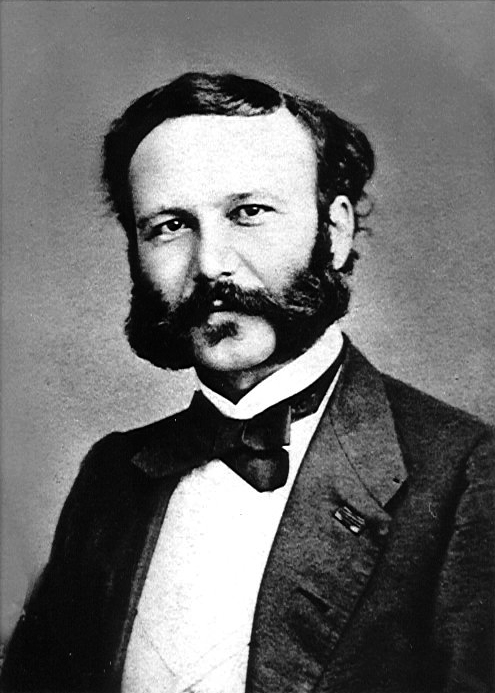
Tadi sore rumah sewa kami didatangi 2 pemuda gagah (satunya orang Korea, mukanya macam bintang film terkenal) dengan salib merah tersemat di dada. Mereka ramah dan persuasif. You know, ujung-ujungnya minta sumbangan juga. Saya kirain mau nawarin main film bareng, hehee. Iya, mereka dari Canadian Red Cross. Kalau di Indonesia disebut sebagai Palang Merah Indonesia (PMI). Sebenarnya, sudah lama saya tertarik ingin tahu lebih jauh mengenai organisasi sosial ini. Dengan kunjungan mendadak 2 pemuda tadi, saya termotivasi untuk mempelajari Red Cross via google. Salah satu artikel yang saya temui, bisa anda baca di bawah, ditulis secara singkat oleh David Neff. Bacalah! Henri Dunant patut dijadikan model bagi Christian humanitarian. Ia seorang Calvinist. Kalau banyak orang evangelical hari ini melulu curiga terhadap karya sosial membantu orang-orang miskin, seakan setiap perjuangan membela mereka berarti mempraktikkan social gospel, asal tahu saja bahwa bapak kaum Evangelical, John Calvin sendiri yang mewariskan spirit charity kepada dunia. Menurut saya, justru aneh mendaku calvinist tetapi sinis terhadap perjuangan sosial.

Dunant bukan seorang jenius dengan title PhD dari dunia akademik. Ia bahkan tidak lulus university. Sempat dalam perjalanan karirnya, ia mengalami kebangkrutan dan dituduh sebagai penyebab. Hancurlah nama baiknya seketika itu. Tapi Tuhan baik, dengan bantuan seorang jurnalis, namanya kembali diangkat, dan akhirnya ia dianugerahi Nobel Peace Prize. Ia termasuk orang pertama di muka bumi yang meraih anugerah prestisius tersebut.

Ok, saya tak ingin berpanjang-panjang lagi. Satu hal yang saya sayangkan, sebagaimana juga telah diungkapkan dalam artikel Neff, Red Cross nampaknya telah lepas dari sejarahnya sendiri. Dunant disebut-sebut tanpa visi kristen yang telah mempengaruhinya. Maka, saya tidak heran, 2 pemuda tadi juga datang tak ubahnya salesmen. Yang penting bisa dapatkan nomor check atau credit card orang, sudah itu pergi dan lupa.

Compassionate in War, Christian in Vision
The man behind the Geneva Conventions knew the heights of success and the depths of failure.

David Neff

Friday, August 8, 2008
This year I read the Geneva Conventions for the very first time. The photos from Abu Ghraib prison made me want to read the classic international agreements about the treatment of prisoners in time of war, and I needed to write an editorial for Christianity Today about the implications of the abuses there.

Reading those documents—as well as the other conventions about the treatment of the wounded, those shipwrecked at sea, and civilians under enemy control—I had a profound sense that a Christian vision undergirded these texts.

Unfortunately, when I went to the website of the International Committee of the Red Cross, I found just the barest hint that the man behind the ICRC and the first Geneva Conventions might have been motivated by a Christian vision. The ICRC web page devoted to founding visionary Henry Dunant (1828-1910) says only that he "came from a very devout Calvinist family that practised charity."

Further research on the Internet and a summer vacation visit to ICRC headquarters in Geneva expanded my understanding of Dunant's Christian vision. Here's what I found: According to Pam Brown's Henry Dunant, the only English-language biography of Dunant I found at the ICRC bookstore, Henri Dunant's parents left the "official church" and joined the "Church of the Awakening, a group which insisted on active charity." I have found no other mentions of an organization by this name in Switzerland in the 1830's and '40s, though I have found plenty of references to an evangelical awakening inside and later outside the Reformed church in Switzerland.

The Swiss website of the Henry Dunant Society reports that Dunant, who failed miserably in his studies at Geneva's Collège Calvin, had nevertheless won the piety prize in school and was an avid listener to the sermons of evangelical preacher Louis Gaussen at the Oratory. Gaussen had been suspended for his revival activities by Geneva's Venerable Company of Pastors and subsequently took part in the formation of the Société; Evangélique, the Free Faculty of the Oratory, and the Evangelical Church of the Oratory (Free). Under Gaussen's preaching, says the Dunant Society website, young Henri "literally nourished himself on the 'Awakening' of the Protestant church." (Beware of machine translations on French websites about spiritual renewal, since the French word for "awakening" also means "alarm clock" which can produce amusing—and alarming—translations.)

Organization man

As a young man, Henri Dunant participated in the kind of free-wheeling association that seems to be typical of evangelical religion everywhere. In about 1848, at age 20, he organized a group of like-minded young men known first as the Thursday Meeting, and soon after as the Union of Geneva. Their aim was to be "more effective in Christian charity," "to heat up the lukewarm" believers, and to "convert those who had not met God" (Société; Henry Dunant).

In the years that followed, the young Dunant showed tremendous organizational ability, and soon built bridges between his group in Geneva and likeminded groups elsewhere—including the Young Men's Christian Association, which had been founded in London in 1844 by George Williams. Dunant suggested that these groups should cooperate internationally, and as a result representatives met in Paris in August 1855 and formed the World Alliance of YMCAs.

Dunant's vision is captured in these quotations from a YMCA website: "Leading up to the World Conference, Henry Dunant … reflected in 1852 on the international and ecumenical dimensions of the YMCA, considering the imperative of 'one body, many members': ' … Be persuaded that we are members for each other, with solidarity for each other; we are only one and the same family, destined to glorify Jesus … ' In the same line, in 1855, he lay the foundation of what was to be the World Alliance of YMCAs: 'Let each therefore bring his stone towards the building of the edifice; be it ever so small, it must help towards the construction of the mansion.'"

Dunant may have been forced to drop out of school for poor performance, but he was a genius at vision and organization. That talent showed up a few years later when he chanced on a battlefield in northern Italy.

Bloody battle

The date was June 24, 1859. Dunant was on his way to see the French emperor, Napoleon III. Several years earlier, Dunant had been sent to Algeria to supervise some business interests there, but being the devout evangelical he was, he saw it as an opportunity to create economic opportunity for poor Algerians and to spread the gospel as well. His main problem on the business front was that he was Swiss, and Algeria was a colony of France. Local officials made it difficult for him to obtain the permits he needed, and so he decided to go straight to the Emperor to ask for concessions.

A tragic thing happened on the way to his imperial appointment: the bloody battle of Solferino. The Italians and the French were trying to drive Austrian forces out of occupied Italian lands. By the morning of June 25, wounded soldiers lay everywhere. An estimated 40,000 soldiers were killed or wounded that day.

On a European battlefield in the 19th-century, a wound was almost a death sentence. The armies had not yet developed efficient ways to transfer wounded soldiers to medical facilities at the rear of the operations. The warring parties considered physicians and nurses as combatants, and those who tried to bandage and care for the wounded were considered fair targets. No one would help a wounded enemy, since a bloodied soldier lying on a battlefield could be playing a trick and would just as likely stab you or shoot you if you tried to help. The result was that people bled to death, died of dehydration, or succumbed to aggressive infections that set in before medical personnel could attend to their wounds.

The horrible scene was more than Dunant could handle. Almost anyone else would have run away in horror, but this visionary genius saw the opportunity to use his organizational skills to maximize the effectiveness of limited resources. He soon had neighboring townspeople organized, had the wounded moved into homes, chapels, and even a castle, and begged material support from local nobles. Most remarkably, he persuaded people to care equally for the wounded enemy. Tutti fratelli, All are brothers, he kept telling the local volunteers. It was a concrete demonstration of a Christian vision.

The book of sorrows

After the battle, Dunant wrote a little book, A Memory of Solferino. This book publicized the horrors of war in the way that Uncle Tom's Cabin created a public awareness of the horrors of slavery. Neither war nor slavery was hidden from public view, but a writer with a conscience can make readers confront a reality they would otherwise turn away from. (The ICRC makes the full text of A Memory of Solferino available on its website.)

The reaction to A Memory of Solferino brought swift results. The first edition of the book was published in November 1862. By February 1863, enough movers and shakers had indicated an interest in concrete action that a Committee of Five convened to lay plans for action. By October of 1863, Dunant had gathered in Geneva thirty-one delegates representing sixteen nations to discuss his vision. The core of Dunant's idea was neutrality. If medical personnel on the battlefield could be considered neutral parties by both sides, the wounded could be treated and many lives saved. It was a controversial idea, but Dunant won the day.

Clearly, there would have to be a way to identify these neutral parties, and Dr. Louis Appia, another member of the Committee of Five, suggested a symbol: a red cross on a white background (the reverse of the Swiss flag). The symbol could be painted on ambulances, and on the battlefield, medical workers could wear it on an armband.

The 1863 conference was a success, but broader support and a more formal agreement was needed, and so a Diplomatic Conference was planned for the summer of 1864.

1863 had also been the year of Abraham Lincoln's Emancipation Proclamation, and Dunant was excited by Lincoln's bold stroke. To the dismay of his European colleagues, Dunant invited—nay, pressured—the American president to send delegates to the conference. Hogtied by political concerns, Lincoln could only send observers.

Geneva

As a result of the August 1864 conference, twelve nations signed the ten articles that formed the first Geneva Convention. According to biographer Pam Brown's summary, this document "guaranteed neutrality for ambulances, hospitals and medical workers and their equipment; for local inhabitants who were helping the wounded; for wounded enemy soldiers and it also required their captors to treat their wounds or to arrange for this to be done. It spelled out the obligation of armies to search for and collect the wounded. Finally, it established the red cross on a white background as an international symbol of protection and neutral assistance in times of war." By the end of 1867, twenty-one nations had signed the Convention.

Disgrace and honor

This success was the high point of Dunant's life, which quickly fell apart. Perhaps his humanitarian crusades drew his attention away from business interests. But for whatever reason, his business went bankrupt, and the Court of Civil Law blamed him for the disaster. Brown writes: "He was held to have deceived his colleagues and this verdict was published in the Geneva newspapers. … At the age of thirty-nine, just eight years after Solferino, Dunant had lost everything. He had lost his standing as a citizen of Geneva, he was a bankrupt, branded as the cause of the disaster publicly, and, worst of all, he lost his position in the Red Cross in Geneva."

Bankruptcy was a major disgrace in Geneva at this time, and though he vowed to work hard to repay all his debts, many of his friends never forgave him. Writes Brown, "Humiliated, Dunant left Geneva forever."

Dunant moved to Paris and continued to be active in humanitarian causes. Unfortunately, none of his business enterprises succeeded, and he was eventually reduced to utter poverty. He wandered, shuttling back and forth between Paris and Trieste, London, Stuttgart, Corfu, the Isle of Wight, and several German cities. Finally, in July of 1887, he returned to Switzerland "sick, shabby, and old" and settled in the mountain village of Heiden. From this rural location, he wrote letters to old acquaintances and tried to reestablish himself, but he met with little success. Perhaps the world would never again have heard of Henry Dunant, if it hadn't been for a journalist who was hiking in the mountains nearby. In casual conversation he heard about an old man living in a hospital in Heiden who claimed to be the founder of the Red Cross. The journalist had a nose for a good story, and he made an appointment to interview Dunant. The resulting publicity brought a wave of new attention, and honor and recognition were once more bestowed on this Christian visionary. Perhaps the chief honor came in 1901: the very first Nobel Peace Prize, which he shared with Frederic Passy, the founder of the first French peace organization.

The honor of receiving the Nobel helped to heal Dunant's feelings of deep humiliation, though he spent none of the considerable prize money. Instead, he left bequests to the people who had cared for him in Heiden, money to fund a free hospital room for the poor of Heiden, and sums to various charities in Norway and Switzerland. Dunant acted the Christian humanitarian to the last.

Copyright © 2004 Christianity Today.